
INF New Zealand Sponsored Leprosy Screening Camp
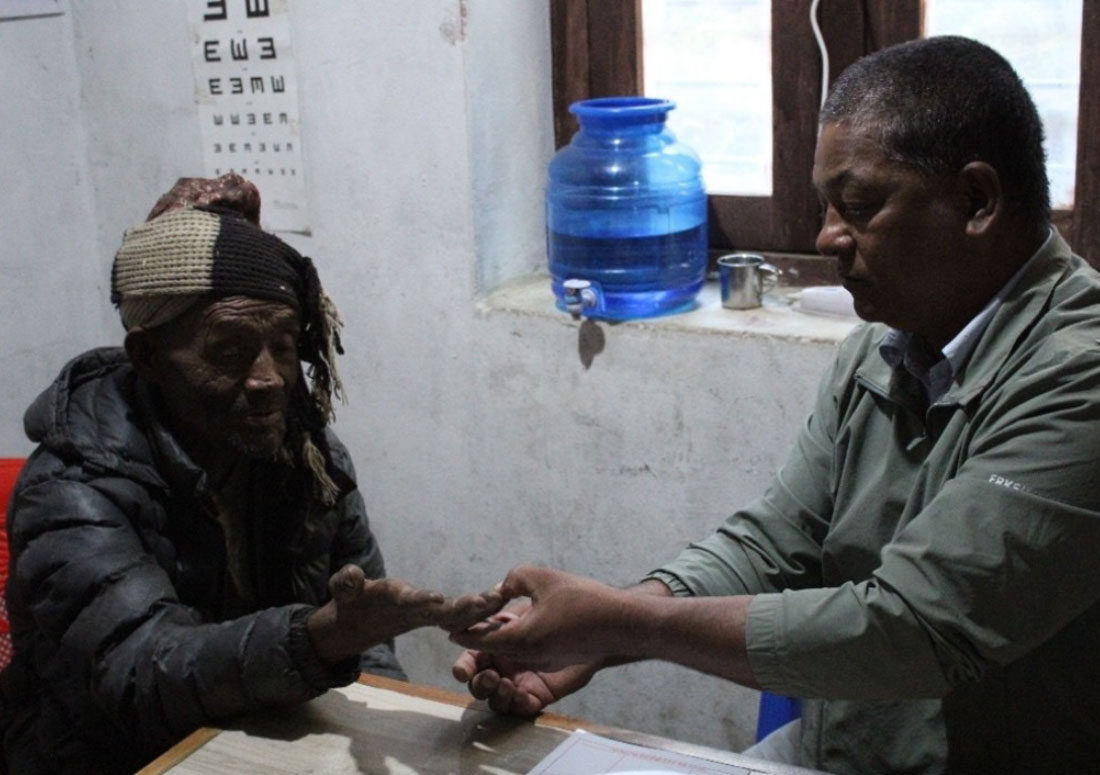
The Shining Hospital INF Surkhet (SHIS) team has recently successfully conducted a leprosy screening camp in Humla, one of Nepal’s most remote and least accessible districts. This camp was paid for through INF New Zealand supporters. The initiative marked an important step toward early detection, prevention, and management of leprosy in areas where healthcare access remains extremely limited
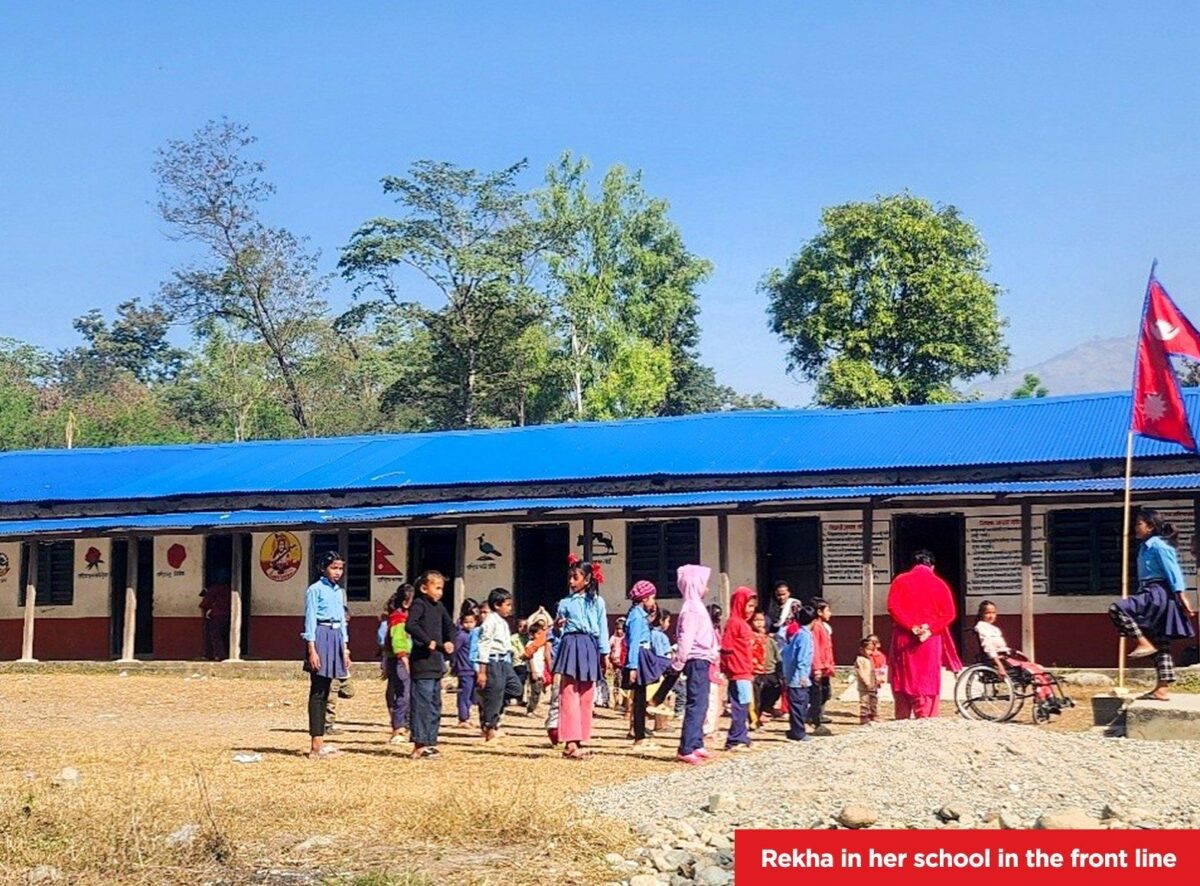
Wheels of Hope: How Rekha Found Her Way Back to School
In rural Nepal, traditional cooking stoves have long been the norm, but they come with serious drawbacks—high wood consumption, longer cooking times, and harmful smoke that leads to respiratory issues and eye irritation. The burden falls especially on women, who are typically responsible for gathering firewood. As forests shrink, it takes longer and longer to collect wood, putting strain on both families and the environment.
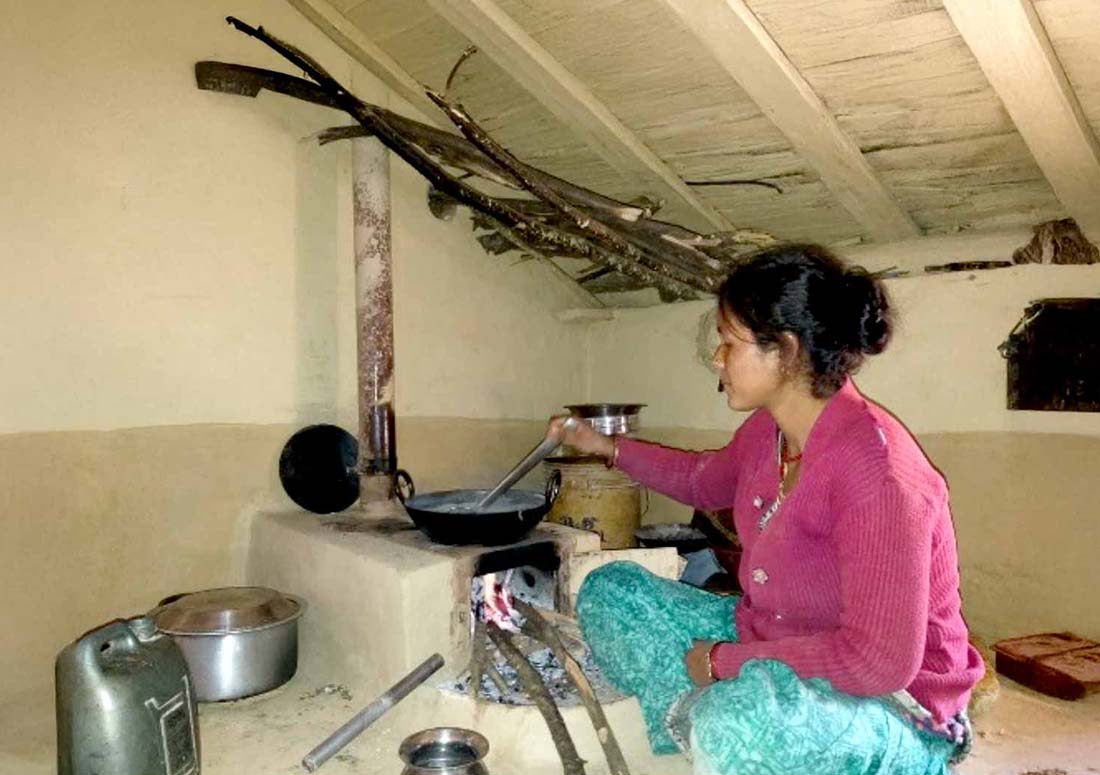
Khem Maya Rokaya: The Impact of Improved Cooking Stoves
In rural Nepal, traditional cooking stoves have long been the norm, but they come with serious drawbacks—high wood consumption, longer cooking times, and harmful smoke that leads to respiratory issues and eye irritation. The burden falls especially on women, who are typically responsible for gathering firewood. As forests shrink, it takes longer and longer to collect wood, putting strain on both families and the environment.
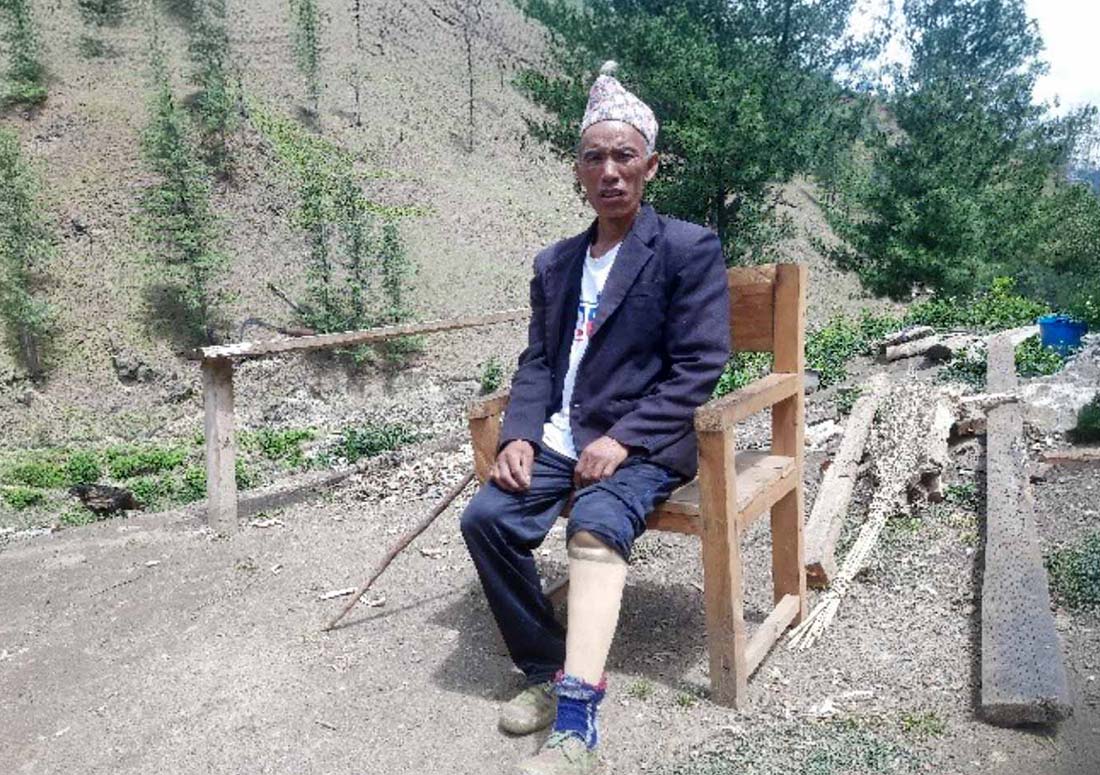
Kal Bahadur’s Triumph: Reclaiming Independence with a New Leg
Kal Bahadur, 53, from Tila RM in Jumla, had lived a normal life until the age of 23, when a sudden leg ailment began to take away his ability to walk. His condition worsened over time, and after seeking medical help, doctors diagnosed him with cancer in his left leg. The required amputation left Kal facing not only physical pain but emotional struggles as well, forever altering the course of his life.