
INF New Zealand Sponsored Leprosy Screening Camp
 The Shining Hospital INF Surkhet (SHIS) team has recently successfully conducted a leprosy screening camp in Humla, one of Nepal’s most remote and least accessible districts. This camp was paid for through INF New Zealand supporters. The initiative marked an important step toward early detection, prevention, and management of leprosy in areas where healthcare access remains extremely limited
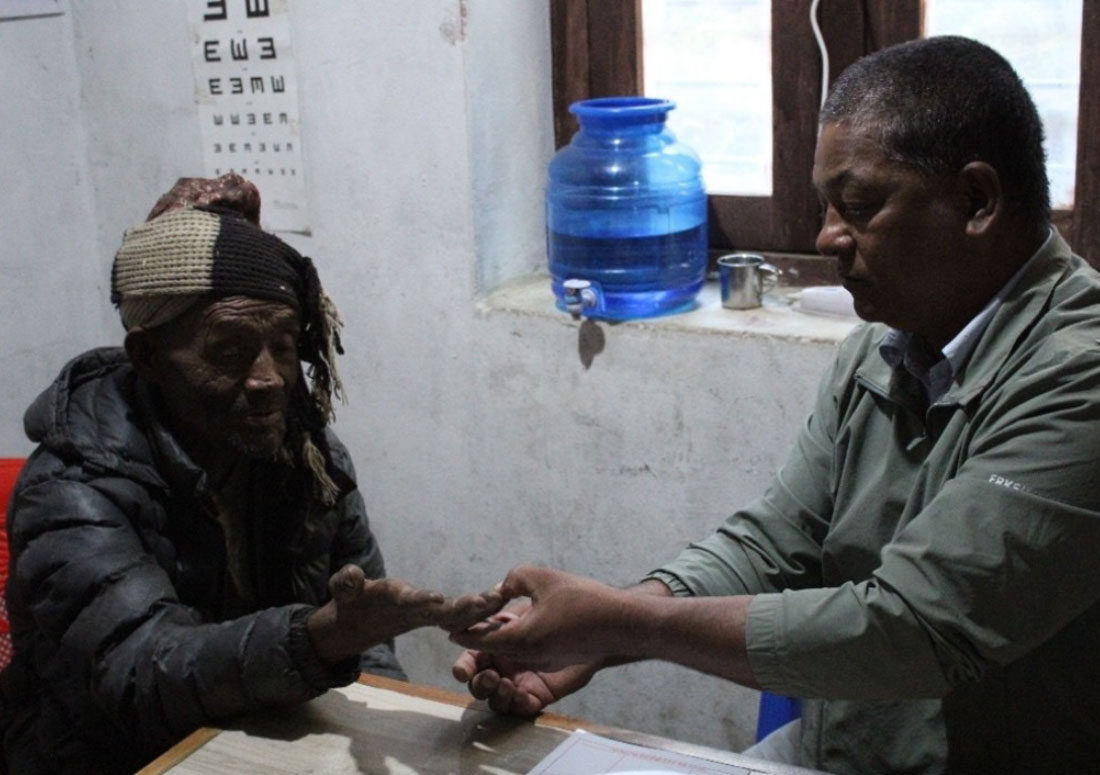
The leprosy screening camp was organized in Sarkeghat Municipality, covering two health posts located in different wards. A total of 283 individuals were screened for leprosy and other skin-related conditions. Despite the challenging terrain and limited infrastructure, the SHIS team, in close coordination with local health facilities and local government ensured that the camp ran efficiently and reached those most in need.
During the screening, four new cases of leprosy were identified and recorded for follow-up treatment and counseling. The team also reviewed existing leprosy cases within the community, ensuring that ongoing treatments were on track and effective. Furthermore, two patients requiring reconstructive surgery were referred to Green Pastures Hospital (GPH).
In addition to direct case detection, the team carried out active contact examinations for both new and previously diagnosed leprosy cases. This proactive approach plays a vital role in preventing the spread of infection within families and communities, while also raising awareness about the importance of early diagnosis and consistent treatment.
Beyond leprosy, the camp also served as an opportunity to address other common dermatological conditions found in the area. The most frequently diagnosed conditions included urticaria, eczema, and scabies, reflecting the widespread need for dermatological services and public health education in rural areas.
The successful completion of this camp highlights how important it is to reach marginalized and remote communities like those in Humla. Through such outreach efforts, the team not only provides essential medical services but also strengthens local capacity and community awareness about skin health and leprosy prevention.
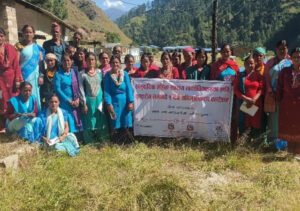
Participants expressed their satisfaction with the camp’s activities and appreciated the efforts made by the SHIS team. Female Community Health Volunteers (FCHVs) and mothers’ group members shared that the orientation sessions had increased their understanding of leprosy its causes, symptoms, and treatment. They also expressed their commitment to actively disseminate this knowledge within their communities, helping to reduce stigma and encourage early reporting of suspected cases.
To further strengthen community engagement, the team distributed informational chase cards designed to support continued awareness and education efforts at the local level. Health workers and municipal representatives also appreciated the initiative, acknowledging its relevance to the needs of the community. They expressed willingness to collaborate in future activities, ensuring sustained efforts against leprosy and related health challenges.
Adding to the impact, a local news channel covered the completion of the camp, bringing broader visibility to the initiative and helping to raise public awareness and participation across the district.
Due to the impact and importance of this initial camp INF New Zealand has committed to sponsoring another camp in 2026. If you are interested in supporting another camp in 2026 then click here:
https://www.hatnepal.co.nz/donations/leprosy-screening-camp/